




-5%
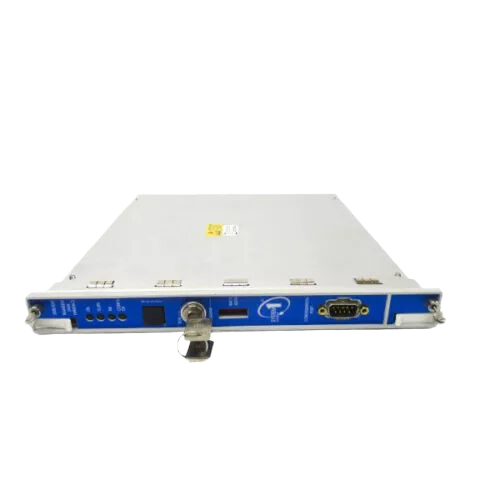
FOXBORO E69F-BI2-S Current Pneumatic Signal Converter
Original price was: $18,457.00.$16,834.00Current price is: $16,834.00.个
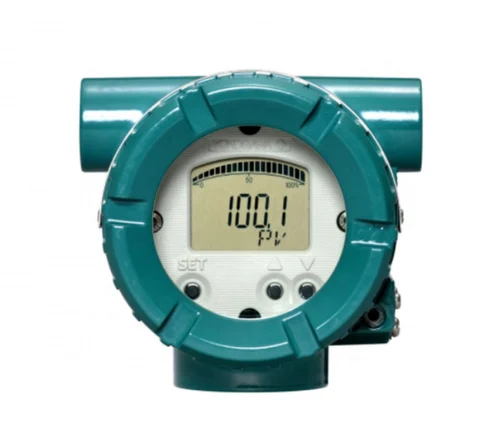
YOKOGAWA 2302-32-VLE-2 electronic mixer
Original price was: $14,732.00.$12,627.00Current price is: $12,627.00.个

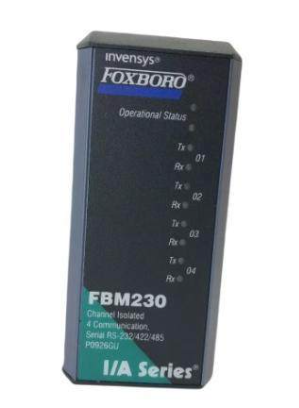
FOXBORO P0926GU FBM230 Field Equipment System Integration Module
Original price was: $8,486.00.$8,064.00Current price is: $8,064.00.个
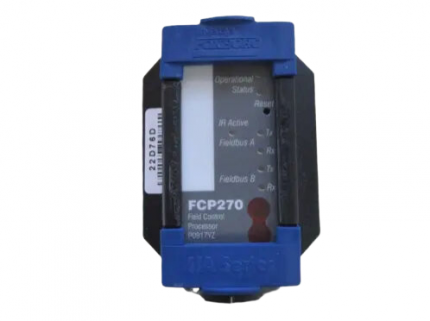
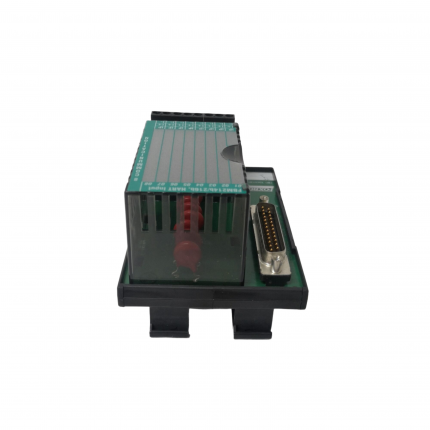
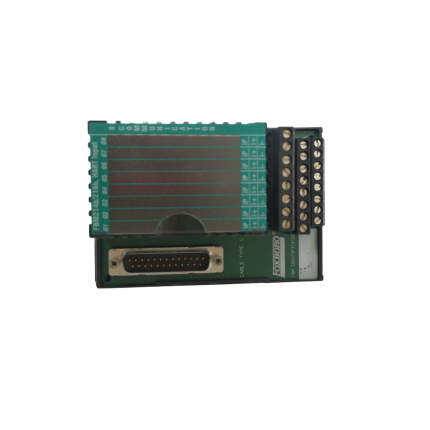
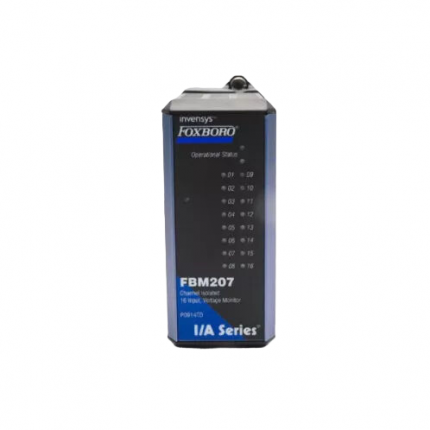
FOXBORO P0926GU FBM230 is a high-performance field equipment system integration module launched by FOXBORO Corporation. It belongs to the Foxboro I/A Series distributed control system (DCS) family and is compatible with Foxboro Evo ™ DCS system is the core component that enables data exchange between on-site equipment and control systems in the field of industrial automation. This module is designed specifically for harsh industrial environments, with powerful signal processing capabilities, flexible communication configuration functions, and high reliability. It can accurately complete the collection and transmission of on-site equipment data, as well as the issuance of control system instructions, providing stable support for real-time monitoring and precise control of industrial production processes. Its core positioning is to build a serial communication bridge between on-site I/O devices and DCS systems, and to achieve unified integrated management of different types of on-site devices through multi protocol support and flexible configuration of multiple ports. It is widely used in various industrial fields such as petrochemicals, power, metallurgy, pharmaceuticals, and water treatment.
Description
FOXBORO P0926GU FBM230 Field Equipment System Integration Module
Product Overview
FOXBORO P0926GU FBM230 is a high-performance field equipment system integration module launched by FOXBORO Corporation. It belongs to the Foxboro I/A Series distributed control system (DCS) family and is compatible with Foxboro Evo ™ DCS system is the core component that enables data exchange between on-site equipment and control systems in the field of industrial automation. This module is designed specifically for harsh industrial environments, with powerful signal processing capabilities, flexible communication configuration functions, and high reliability. It can accurately complete the collection and transmission of on-site equipment data, as well as the issuance of control system instructions, providing stable support for real-time monitoring and precise control of industrial production processes. Its core positioning is to build a serial communication bridge between on-site I/O devices and DCS systems, and to achieve unified integrated management of different types of on-site devices through multi protocol support and flexible configuration of multiple ports. It is widely used in various industrial fields such as petrochemicals, power, metallurgy, pharmaceuticals, and water treatment.
Core technical parameters
1. Communication parameters
-Communication interface: It is equipped with four independently configurable serial ports, and each port can be flexibly set to RS-232, RS-422 or RS-485 interface standards through software. At the same time, it supports 10/100Mbps Ethernet interface to adapt to the connection requirements of field devices with different transmission distances and topological structures.
-Supporting protocols: Fully compatible with mainstream industrial communication protocols such as Modbus/TCP, Modbus RTU, HART, ASCII, etc., while also supporting Foxboro dedicated fieldbus protocol to ensure compatibility with I/A Series, Evo, etc ™ Waiting for seamless integration between DCS system and third-party equipment.
-Communication speed: The serial communication speed can reach up to 115.2kbps, and the Ethernet communication speed supports 10Mbps/100Mbps adaptive, which can meet the real-time transmission needs of large amounts of data in industrial sites and ensure fast response of control instructions.
-Integration capability: It can achieve up to 2000 DCI (Distributed Control Interface) block connections, and can simultaneously access a large number of on-site sensors, transmitters, and actuators, integrating scattered device data into the DCS control database.
2. Signal processing parameters
-Input type: Supports multiple analog input signals, including 4-20mA DC current signal, 1-5V DC voltage signal, etc. It can directly adapt to various standard sensors and transmitters such as temperature, pressure, flow rate, liquid level, etc.
-Output type: Provides 4-20mA standard analog output signal, which can directly drive various actuators such as regulating valves, frequency converters, solenoid valves, etc., achieving precise adjustment and control of the production process.
-Channel configuration: Adopting a multi-channel design, usually including 8 input channels or output channels (specific to the product manual), it can simultaneously process multiple on-site signals in parallel, improving system integration efficiency and cost-effectiveness.
-Measurement accuracy: The measurement accuracy of analog input can reach ± 0.1% FS (full range), ensuring the accuracy and reliability of the collected process parameters, and providing accurate data basis for control decisions; The resolution is 16 bits, which can sensitively capture subtle changes in the signal and achieve fine monitoring of process parameters.
3. Power parameters
-Power supply voltage: Adopting 24VDC DC power supply commonly used in industrial sites, compatible with conventional industrial power systems, simplifying the design and connection of power supply lines; Supports a wide range of voltage fluctuations to ensure stable operation even when there are slight fluctuations in the power supply voltage.
-Power consumption: The normal operating power consumption is less than 5W, which belongs to low-power industrial components. Long term operation can effectively reduce energy consumption and meet energy-saving and environmental protection requirements.
4. Environmental and physical parameters
-Working temperature: It can operate stably within a wide temperature range of -40 ℃ to+70 ℃, and can adapt to extreme temperature environments such as outdoor installation in cold regions and high-temperature production workshops, without the need for additional temperature control equipment.
-Working humidity: 5% to 95% RH (non condensing), with good moisture resistance, can operate reliably in humid environments such as paper mills and sewage treatment plants, avoiding the impact of humidity on equipment performance.
-Protection level: reaching IP20 protection level, it can effectively block dust and large particles from entering the module, protect core electronic components from damage, and extend the service life of the equipment; In some scenarios, it can be upgraded to IP65 level through the matching protective shell.
-Anti interference capability: With excellent electromagnetic compatibility (EMC), it can resist electromagnetic interference, radio frequency interference, etc. in industrial sites, ensuring the stability of signal acquisition and transmission, reducing data distortion and false alarms.
-Physical dimensions: Approximately 115mm in length, 75mm in width, and 35mm in height (refer to the product manual for details). The structure is compact and small, with a modular design that can be directly installed on standard DIN rails or DCS system racks, saving installation space.
-Weight: Approximately 0.45kg (excluding installation accessories), lightweight, easy to install, disassemble, and maintain, reducing labor intensity for workers.
Key product features
1. Extremely flexible port configuration
The four serial ports can be independently configured as RS-232, RS-422, or RS-485 interfaces, and are compatible with Ethernet interfaces, which can adapt to devices with different communication standards in industrial fields. For example, in scenarios where traditional RS-232 sensors, RS-485 bus type actuators, and Ethernet smart devices coexist, full connection can be achieved directly without the need for additional conversion modules, greatly improving the convenience of system integration. In addition, communication parameters such as baud rate, data bits, and parity bits can be flexibly set through software to further adapt to the communication needs of different devices.
2. High integration and compatibility
Having strong system integration capabilities, it can connect 2000 DCI blocks and integrate a large amount of equipment data scattered in the production site into the Foxboro DCS control database, achieving unified management and sharing of data. At the same time, OPC servers for Modbus/TCP are provided for easy integration with third-party HMI/SCADA software, PLCs, and other devices, compatible with Foxboro I/A Series, Evo, etc ™ Waiting for mainstream DCS systems to reduce the difficulty and cost of upgrading and renovating old and new systems.
3. Strong adaptability to harsh environments
Adopting high-quality electronic components and sturdy casing design, it has undergone rigorous environmental adaptability testing and can operate stably in a wide temperature range of -40 ℃ to+70 ℃ and high humidity (non condensing) of 5% -95%. It has excellent resistance to electromagnetic interference, vibration, and corrosion, and can meet the requirements of G3 level harsh industrial environments. It is suitable for harsh working conditions such as petrochemicals and metallurgy.
4. High reliability and stability
The module adopts redundant design and fault self diagnosis function, which can monitor its own working status in real time. When power supply abnormalities, communication interruptions and other faults occur, it can send alarm signals to the DCS system in a timely manner, making it easy for staff to quickly locate and handle problems. At the same time, high-quality manufacturing processes and strict quality control ensure the stability of long-term continuous operation of modules, with a long mean time between failures (MTBF), reducing equipment failure rates and maintenance costs.
5. Easy and efficient installation and maintenance
Adopting a modular plug-in design, it can be directly installed on standard DIN rails or DCS racks. The installation process is simple and fast, without the need for complex wiring and debugging procedures. During daily maintenance, the working status and parameters of the module can be remotely monitored through the DCS system, which supports firmware online updates and can be upgraded without disassembling the module; The module surface is designed with status indicator lights, which can intuitively display the working status of power, communication, and channels, making it easy to quickly troubleshoot on-site.
6. Real time response and precise control
Equipped with high-speed data processing and transmission capabilities, the Ethernet communication speed can reach 100Mbps, and the serial communication speed can reach up to 115.2kbps, ensuring real-time uploading of on-site data and fast issuance of control instructions, with low system response latency. 16 bit high-resolution and ± 0.1% FS measurement accuracy can accurately capture subtle changes in process parameters, providing precise data support for control algorithms, achieving fine control of the production process, and improving product quality and production efficiency.
Typical application scenarios
1. Petrochemical industry
In the production process of refineries and chemical plants, temperature, pressure, flow, and liquid level sensors and transmitters are used to connect equipment such as reaction vessels, distillation towers, and storage tanks. Key process parameters are collected in real time and uploaded to the Foxboro DCS system; At the same time, the control instructions of the system are issued to the control valves, pumps and other actuators to achieve closed-loop control of reaction temperature, pressure, material flow and other parameters, ensuring the stability and safety of the production process, and avoiding production accidents and product quality problems caused by parameter fluctuations. For example, in the catalytic cracking unit of a large refinery, centralized monitoring of more than 200 on-site equipment was achieved through the FBM230 module, greatly improving the stability of the unit operation.
2. Power industry
Applied in power plants, substations, and other places, it connects electrical parameter sensors such as current, voltage, frequency, power factor, etc. on equipment such as generators, transformers, and switchgear to collect real-time data on the operation status of the power grid; Simultaneously controlling switch devices, excitation regulators, cooling systems, and other actuators to achieve real-time monitoring and precise control of power production and distribution processes, ensuring stable operation of the power grid and preventing power failures. In a large thermal power plant, the FBM230 module is used for monitoring the auxiliary system of the unit, achieving remote control and status monitoring of equipment such as water pumps and fans, and improving system operation efficiency.
3. Manufacturing industry
Integrate into automated production lines such as automobile manufacturing, mechanical processing, and electronic production, connect position sensors, speed sensors, pressure sensors, etc. on production line equipment (such as machine tools, conveyors, robots), and collect real-time data on equipment operation status, processing accuracy, etc; Simultaneously issuing control instructions to the executing mechanism to achieve automated control of the production process, equipment linkage, and fault warning, improve production efficiency, and reduce product defect rates. For example, in the steel rolling production line of a large steel plant, a large number of sensors and controllers are connected through the FBM230 module to collect data on equipment temperature, pressure, speed, etc. and upload it to the DCS system. Operators make adjustments based on real-time data, reducing the production line failure rate by 30% and increasing production efficiency by 20%.
4. Water treatment and environmental protection industry
In waterworks and sewage treatment plants, it is used to connect water quality monitoring sensors (such as pH value, turbidity, dissolved oxygen sensors), liquid level sensors, flow sensors, etc., to collect real-time water quality parameters and equipment operation data of raw water, treated water, and wastewater; Control the dosing pump, aeration fan, valves and other actuators, adjust the water treatment process parameters to ensure that the water quality meets the standards and the treatment process is stable, while achieving energy-saving optimization control of the sewage treatment process.
5. Pharmaceutical and Food Beverage Industry
In the pharmaceutical production process, it is used to monitor and control parameters such as temperature, humidity, pressure, and stirring speed of reaction tanks to ensure that the drug production process complies with GMP standards; In food and beverage production, real-time collection of temperature, flow rate, liquid level and other parameters on the production line is used to control sterilization equipment, filling equipment, etc., ensuring product quality and safety, and avoiding product deterioration or non conformance caused by fluctuations in process parameters.
Installation and configuration process
1. Preparation before installation
-Environmental inspection: Confirm that the installation environment meets the requirements of the module, stays away from high temperature, high humidity, corrosive gases, strong vibration, and strong magnetic field interference sources, ensures good ventilation inside the control cabinet, and that the environmental temperature and humidity are within the specified range.
-Equipment inspection: Check whether the appearance of the module is intact, without damage, deformation or loose parts, and confirm that the interface terminals, indicator lights and other components are normal; Verify that the module model and product number (P0926GU) match the order, and check if the installation accessories (such as fixing screws and guide rail buckles) are complete.
-Tool preparation: Prepare installation and testing tools such as screwdrivers, wire strippers, crimping tools, multimeters, etc., to ensure that the tools comply with industrial operating standards.
-Data preparation: Read the module user manual, wiring guide, and DCS system integration manual in advance, familiarize yourself with installation steps, wiring specifications, and parameter configuration requirements.
2. Hardware installation
-Module fixation: Choose DIN rail installation or rack installation according to the installation environment, place the module steadily in the installation position, use matching screws or buckles to firmly fix it, ensure that the module is not loose, and maintain appropriate heat dissipation distance from adjacent equipment.
-Power connection: Connect the 24VDC power cord correctly to the module power terminal according to the wiring guide, pay attention to distinguishing positive and negative polarities, and avoid reverse connection; After the connection is completed, use a multimeter to check whether the power supply voltage meets the requirements, ensure that the wiring is firm and reliable, and prevent poor contact or short circuit of the power supply.
-Signal and communication wiring: According to the type of on-site equipment and interface configuration, connect the signal wires of sensors and transmitters to the corresponding input channel terminals of the module, and connect the control wires of actuators to the output channel terminals, paying attention to distinguishing signal types and positive and negative poles; Connect the serial communication line or Ethernet cable to the corresponding communication port, ensuring that the wiring is secure and the shielding layer is properly grounded to reduce signal interference.
-Installation inspection: After installation is completed, check again whether all wiring is correct and secure, whether module fixation is reliable, and whether there are no excess cables wrapped or squeezed.
3. Software configuration
-System access: Add FBM230 P0926GU module to the configuration software of Foxboro DCS engineer station, set basic parameters such as module address, communication protocol, bus type, etc., to ensure normal communication between the module and DCS system control station.
-Port and channel configuration: According to the communication requirements of the on-site equipment, configure the interface types (RS-232/RS-422/RS-485), baud rates, data bits, parity bits, and other parameters for four serial ports; Set the signal type, range, alarm threshold and other parameters of the input/output channel to ensure compatibility with the on-site equipment.
-DCI block configuration: According to the system integration requirements, configure the DCI block connection parameters to achieve data interaction between the module and the DCS control database, and set parameters such as data acquisition cycle and transmission method.
-Configuration download and testing: After completing the configuration, download the configuration information to the module and DCS control station, restart the module to enter normal working state; By monitoring the working status, channel data, and communication status of the module through the engineer station, signal simulation testing and control command issuance testing are conducted to ensure the normal operation of the module.
Additional information
| Weight | 0.64 lbs |
|---|---|
| Dimensions | 583 × 583 × 683 in |
Reviews (0)
Shipping and Delivery




Reviews
There are no reviews yet.