




-18%
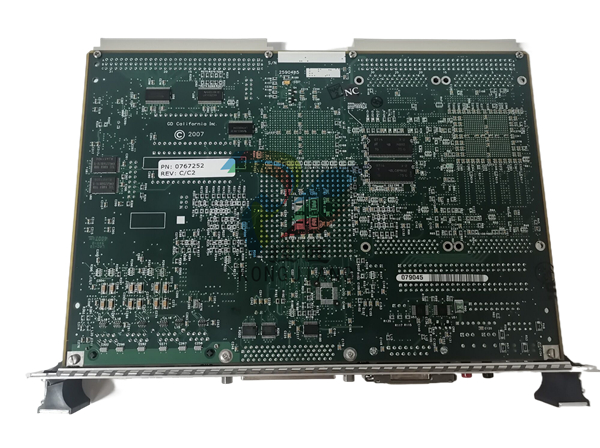
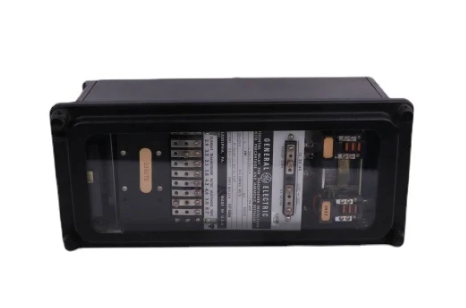
GE SR489-P5-LO-A1 Generator Protection Relay
Original price was: $56,843.00.$45,734.00Current price is: $45,734.00.个
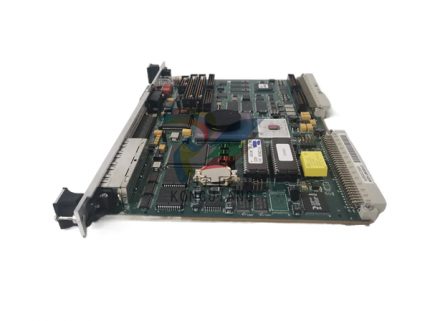
GE D20 EME210BASE-T Ethernet Module
Original price was: $8,458.00.$4,573.00Current price is: $4,573.00.个

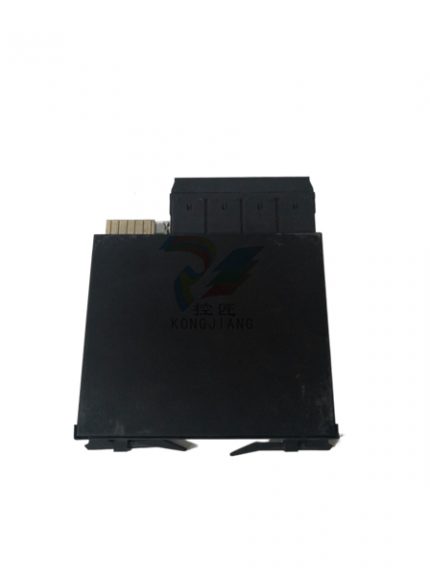
GE IS215WETAH1BB IS200WETAH1AGC Input/Output Interface Module
Original price was: $5,684.00.$4,634.00Current price is: $4,634.00.个
-System compatibility: All systems are compatible with the GE Speedtronic Mark VIe control system and support real-time communication with the controller through the system’s high-speed backplane bus, without the need for additional development of adaptation programs.
-Functional positioning: The core function is to achieve the acquisition (input) of analog and digital signals and the output of control instructions, and to complete the signal conversion and interaction between the control system and field devices.
Description
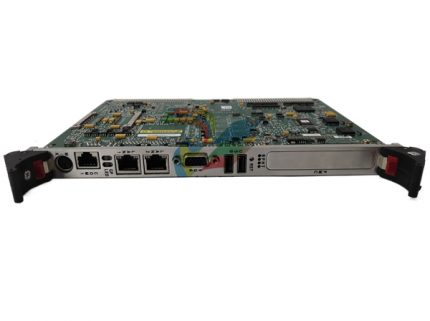
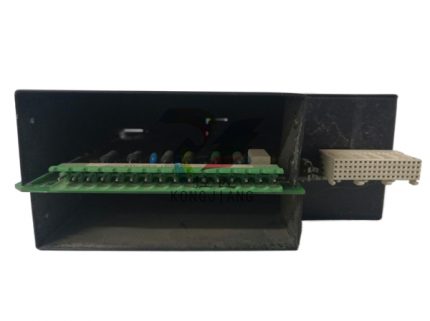
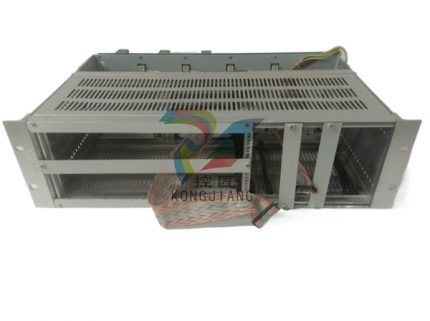
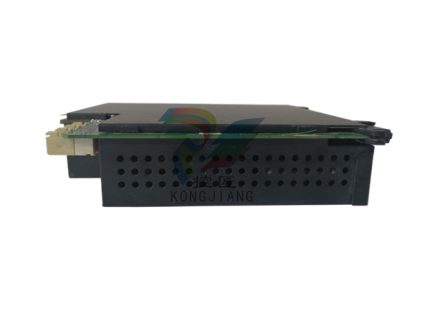
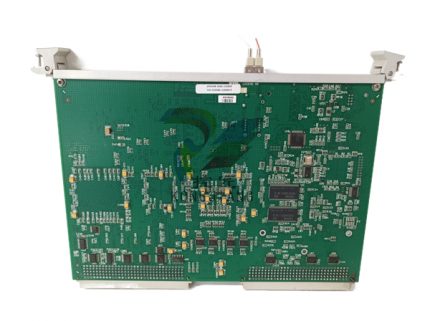
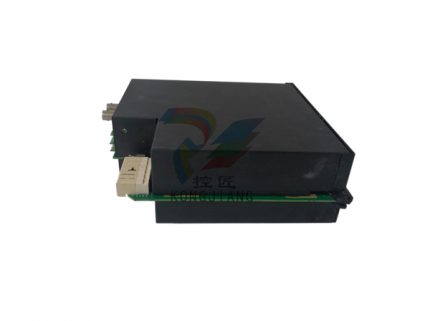
GE IS215WETAH1BB IS200WETAH1AGC Input/Output Interface Module
Overview of product commonalities and differences
1. Core commonalities
-System compatibility: All systems are compatible with the GE Speedtronic Mark VIe control system and support real-time communication with the controller through the system’s high-speed backplane bus, without the need for additional development of adaptation programs.
-Functional positioning: The core function is to achieve the acquisition (input) of analog and digital signals and the output of control instructions, and to complete the signal conversion and interaction between the control system and field devices.
-Industrial grade design: All adopt industrial grade hardware architecture, with characteristics such as wide temperature operation, anti electromagnetic interference, dust and moisture resistance, and are suitable for harsh industrial site environments.
-Convenience of operation and maintenance: Supports hot swapping function and online fault diagnosis, allowing module replacement and maintenance to be completed without shutting down the system, reducing operation and maintenance costs.
2. Key Differences
comparative dimension
IS200WETAH1AGC
IS215WETAH1BB
Channel configuration
16 inputs+16 outputs, fixed channel allocation
32 configurable channels, supporting input/output mode switching
Signal processing capability
Basic signal filtering, suitable for scenarios with conventional precision requirements
High precision signal conditioning and digital filtering, supporting microvolt level signal acquisition
scalability
No external extension interface, runs independently
Support connection extension module, expandable to 64 channels
Applicable scenarios
Small and medium-sized control systems with few signal points
Large complex systems, multi signal, high-precision control scenarios
Redundant design
Support module level redundancy
Support channel level and module level dual redundancy
Core functions and roles
1. Multi type signal acquisition and conversion (input function)
Both modules have powerful signal input capabilities, which can collect various types of signals on site and convert them into digital signals recognizable by the control system. The supported input signals include analog signals (4-20mA current signal, 0-10V voltage signal), which are used to collect continuously changing parameters such as temperature, pressure, flow rate, etc; Digital signals (dry contacts, TTL levels) are used to collect the operating status of equipment (such as discrete signals such as “run/stop” and “fault/normal”).
Among them, IS215WETAH1BB has added a signal calibration function, which can perform zero and gain calibration on the input signal through software, ensuring a collection accuracy of ± 0.1% even after long-term operation; IS200WETAH1AGC adopts fixed calibration parameters to meet the conventional accuracy requirements (± 0.5%).
2. Control command output and driving (output function)
The module can receive digital instructions issued by the controller, convert them into signal types that can be recognized by on-site actuators, and output them. Analog output supports 4-20mA/0-10V signals, used for continuous adjustment of driving regulating valves, frequency converters and other equipment; Digital output supports relay contact/transistor output, used to control discrete actions such as motor start stop and valve switching.
IS215WETAH1BB supports the forced output signal function. In system debugging or emergency situations, specific signals can be forcibly output through software for easy troubleshooting; IS200WETAH1AGC only supports regular instruction output and has no mandatory function.
3. Signal isolation and anti-interference
Both adopt optoelectronic isolation technology to achieve electrical isolation between input/output channels and internal circuits of modules, as well as between channels. The isolation voltage is ≥ 2500V DC, effectively avoiding interference from strong electrical signals on site to the control system. IS215WETAH1BB has an additional electromagnetic shielding layer, which complies with the IEC 61000-4-30 Class A electromagnetic compatibility standard and performs more stably in high voltage and high frequency interference environments (such as substations and metallurgical workshops).
4. Online monitoring and fault diagnosis
The module is equipped with a real-time monitoring unit, which can continuously monitor its own operating status (power supply voltage, chip temperature) and channel signal quality (such as signal over range, disconnection, short circuit). When an abnormality is detected, the fault information (including fault channel number, fault type, timestamp) is immediately uploaded to the controller through the bus, triggering a system alarm.
IS215WETAH1BB supports channel level fault location, which can accurately determine the fault type of a single channel; IS200WETAH1AGC can only locate module level faults, and specific channel issues need to be determined through on-site investigation.
5. Flexible configuration and system integration
Through programming software such as GE Proficy Machine Edition, the module can be configured with channel functions (such as setting a certain channel of IS215WETAH1BB as “analog input” or “digital output”), signal range settings, alarm threshold adjustments, etc. Both modules support plug and play with GE Mark VIe controllers, automatically completing address allocation and communication handshake through the system backplane without the need for manual configuration of communication parameters.
Key technical parameters
parameter category
IS200WETAH1AGC
IS215WETAH1BB
Instructions
Number of input channels
Route 16
32 channels (configurable)
IS215 supports input/output mode switching
Number of output channels
Route 16
32 channels (configurable)
The total number of channels is fixed and allocated according to demand
Analog input accuracy
±0.5% FS
±0.1% FS
FS is at full scale, with accuracy based on a 25 ℃ environment
Analog input range
4-20mA、0-10V
4-20mA、0-10V、-10V~10V
IS215 supports bipolar signal acquisition
Digital input type
Dry contact point TTL(5V)
Dry contact point TTL(5V/24V)
IS215 is compatible with more voltage type sensors
Analog output accuracy
±0.3% FS
±0.1% FS
Output accuracy determines actuator control accuracy
Digital output type
Transistor (24V DC)
Transistor (24V DC), relay (250V AC)
IS215 supports strong electric load control
Isolation voltage
2500V DC
3000V DC
Electrical isolation between channels and systems
Working Voltage
DC 24V ±10%
DC 24V ±15%
Adapt to industrial control system standard power supply
Working temperature range
-40℃ ~ 70℃
-40℃ ~ 85℃
IS215 is suitable for higher temperature environments
Protection level
IP20
IP20
Installation inside the control cabinet to prevent solid foreign objects
communication interface
Mark VIe Backplane Bus
Mark VIe Backplane Bus+Expansion Interface
IS215 supports external expansion modules
Installation method
DIN rail installation
DIN rail installation
Compliant with standardized installation of industrial control cabinets
Applicable scenarios and application areas
1. Typical application of IS200WETAH1AGC
This module, with stable basic performance and high cost-effectiveness, is suitable for scenarios with few signal points and moderate control accuracy requirements:
-Small and medium-sized chemical equipment: used for collecting temperature and pressure signals of reaction vessels, as well as controlling small regulating valves, such as auxiliary equipment control on pharmaceutical intermediate production lines.
-Municipal water supply system: Collect pressure and flow signals at the outlet of the water pump, control the start and stop of the water pump and the speed of the frequency converter, and achieve constant pressure water supply.
-Light industry production lines: such as conveyor belt speed control and sensor signal acquisition (such as material position detection) for food packaging lines.
2. Typical applications of IS215WETAH1BB
This module has the advantages of high precision and high scalability, and is suitable for large and complex control scenarios:
-Power industry: used for gas turbine auxiliary control systems in thermal power plants, collecting various types of signals such as fuel pressure, oil temperature, valve position, etc., controlling equipment such as oil pumps and regulating valves, and supporting unit start stop and load regulation.
-Steel metallurgy industry: adapted to continuous casting machine crystallizer control system, collects high-precision signals such as water temperature, liquid level, vibration frequency, etc., controls cooling water volume and vibration mechanism, and ensures the quality of castings.
-Large petrochemical facilities, such as catalytic cracking units in refineries, achieve centralized collection and control of hundreds of signals through expansion modules, supporting precise adjustment of reaction temperature and pressure.
-Ocean engineering: an auxiliary control unit used in ship power systems to collect equipment status signals in high vibration and wide temperature environments, control auxiliary motors and valves, and ensure navigation safety.
Installation and usage precautions
1. Preparation before installation
-Environmental verification: Confirm that the installation environment meets the temperature and humidity requirements based on the module model (IS215WETAH1BB can withstand higher temperatures), and avoid installing in locations with strong corrosive gases, severe vibrations, or excessive electromagnetic radiation.
-Module inspection: Verify that the module model is consistent with the system requirements, check that the appearance is undamaged, the pins are not oxidized or deformed, and the RJ45 interface or terminal block is intact.
-Tools and materials: Prepare DIN rails, fixing screws, pliers, screwdrivers, and other tools; Select the appropriate wire based on the signal type (shielded wire is recommended for analog signals, and ordinary copper core wire can be used for digital signals).
2. Installation and operation specifications
-Fixed installation: Insert the module smoothly into the DIN rail, ensuring that the buckle is securely fastened and not loose; Reserve a spacing of ≥ 10cm between modules for easy heat dissipation and wiring operations.
-Wiring specifications: ① Connect wires after cutting off the system power supply, and live operation is strictly prohibited; ② The analog signal adopts shielded wire, and the shielding layer is grounded at one end (connected to the control cabinet grounding bar) to avoid interference; ③ Connect the wires according to the module terminal identification, such as “AI1” for analog input channel 1 and “DO2” for digital output channel 2, ensuring correct positive and negative polarity; ④ The length of wire stripping should be controlled within 3-5mm to avoid short circuits or poor contact.
-System connection: Insert the module into the Mark VIe system backplane, ensuring it is securely in place, tighten the backplane connection screws, and ensure stable communication; When connecting the IS215WETAH1BB expansion module, a dedicated expansion cable should be used and connected according to the pin definitions.
3. Key points for configuration and debugging
-Parameter configuration: Connect the module through Proficy Machine Edition software and configure the channel function (input/output mode) for IS215WETAH1BB; ② Set the signal range (such as setting the channel range corresponding to the temperature sensor to 0-300 ℃); ③ Configure alarm threshold (such as triggering an alarm when the pressure exceeds 10MPa); ④ Save configuration parameters to the local module.
-Connectivity testing: After configuration is completed, the communication status between the software detection module and the controller is checked to ensure no communication interruption; Apply a standard signal (such as 4mA/20mA current) to the input channel, check whether the software display value is consistent with the actual value, and whether the error is within the accuracy range; Issue instructions to the output channel and check if the on-site actuator operates normally.
-Fault simulation test: artificially simulate signal disconnection and short circuit situations, check whether the module can accurately report fault information, and whether the system alarm is triggered normally.
4. Daily maintenance and troubleshooting
-Daily inspection: ① Check the status of module indicator lights daily (Power light constantly on indicates normal power supply, Comm light flashing indicates normal communication); ② Clean the surface dust of the module every week and wipe it with a dry soft cloth to avoid poor heat dissipation; ③ Check the wiring for looseness every month, especially in scenarios with high vibration.
-Troubleshooting: ① Communication failure: First check the backplane connection and network cable, and then investigate the communication parameters of the controller; ② Channel no signal: Input channel checks sensors and wires, output channel checks actuators and wiring; ③ Large signal error: IS215WETAH1BB can be recalibrated through software, while IS200WETAH1AGC needs to check for sensor faults or wire interference.
-Module replacement: In scenarios that support hot swapping, the module needs to be “disabled” in the software before replacement, and then the configuration parameters need to be reloaded after replacement; In non hot swappable scenarios, the system power needs to be cut off before replacement.
Additional information
| Weight | 2.67 lbs |
|---|---|
| Dimensions | 457 × 346 × 263 in |
Reviews (0)
Shipping and Delivery




Reviews
There are no reviews yet.